
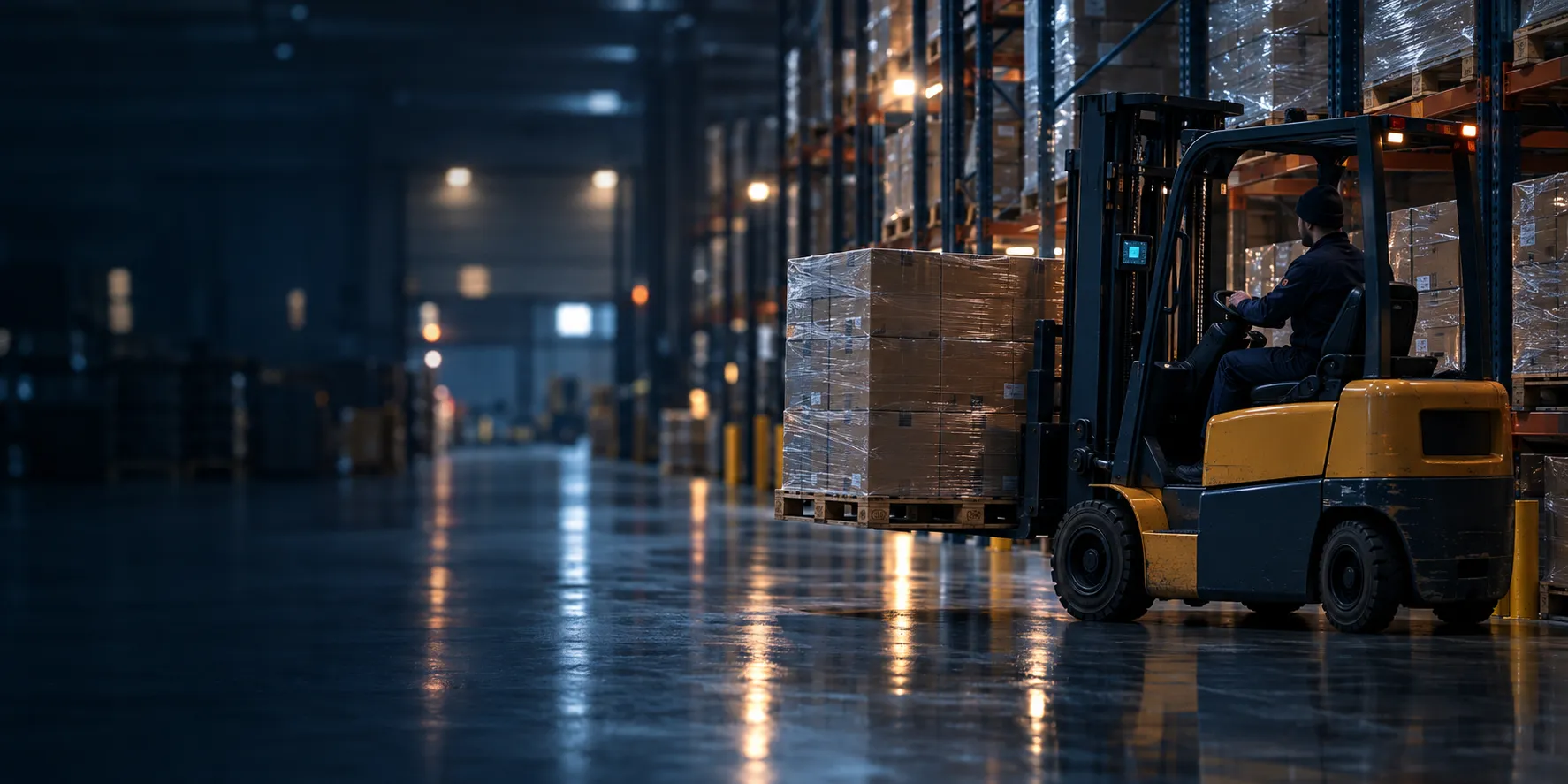
Mobile weighing.
The scale is in the wrong place. Mobile weighing puts it on the truck, so the forklift, the pallet truck or the loader weighs the load during the lift.
What is mobile weighing?
Mobile weighing means the scale rides on the truck. The truck weighs the load during the lift, and the weight is already in your ERP when the load reaches stock.
The scale rides on the truck
Today, every pallet goes to the floor scale: drive there, set down, weigh and lift again. With mobile weighing, the truck weighs during the lift. There is no detour and no queue, and the truck never leaves the aisle.
Weighing forks or hydraulic weighing
Weighing forks are precision forks with tilt compensation and overload protection, and no cables in the mast. They measure ±0.1% of the applied load. Hydraulic weighing reads the weight in the lifting line and gives the result in seconds, while you work. It holds ±0.2% of the truck’s capacity, on machines that lift up to 90 tonnes.
Overload protection
The system weighs while lifting and guards every lift with an overload bar, an alarm and a relay. The overload alarm comes the moment the forks rise.
One brain. Every machine.
Every Tesmatic system runs the same CoreMatic indicator and the same Web App, across the whole fleet. Wi-Fi and Bluetooth are built in, so the truck sends its data directly, with no gateway. The data reaches your ERP or WMS through WebSockets, MQTT or CSV.

Lift. Weigh. Record. Move.
You already lift every load. Mobile weighing puts accurate weighing on the truck that moves it, so the same lift gives you the weight. The trip to the floor scale disappears.
1. Lift
- Lift the way you already do. Depending on the machine, the weight comes from weighing forks or from pressure in the lift hydraulics.
2. Weigh
- Get a stable reading mid-air. The operator display shows the weight once it settles. Weighing forks measure ±0.1% of the applied load. Hydraulic systems hold ±0.2% or ±1% of the truck’s capacity, depending on the model.
3. Record
- Put the weight on record. Print a ticket on the PrintMatic thermal printer, or send the weight to the CoreMatic Web App. From there it goes to your WMS or ERP. Nobody enters the data manually.
4. Move
- Move on to the next load. The truck carries the load to stock. It is the same trip, now with the weight on board. The drive to the floor scale and the wait there are gone.
How much time does your floor scale cost?
Every pallet that goes to a floor scale makes a detour. With mobile weighing, the weighing takes about 10 seconds, during the lift. Enter your own times and see what you get back.
With your floor scale60 s
- Drive to the scale
- Wait
- Set down, weigh and lift again
With mobile weighing10 s
- Weigh during the lift
Time recovered on your floor
Enter the figures of your operation. They start at the figures of the Tesmatic operation model.
Your volume
Your floor scale today, per pallet
Operator days recovered every month
50 seconds back on every pallet. That is 30.6 hours of operator time a month, counted in days of eight hours.
With mobile weighing, the weighing takes 10 seconds, during the lift. That figure comes from the Tesmatic operation model.
Mobile weighing systems for every job
What do you need the weight for? Each system has its own level of accuracy to match.
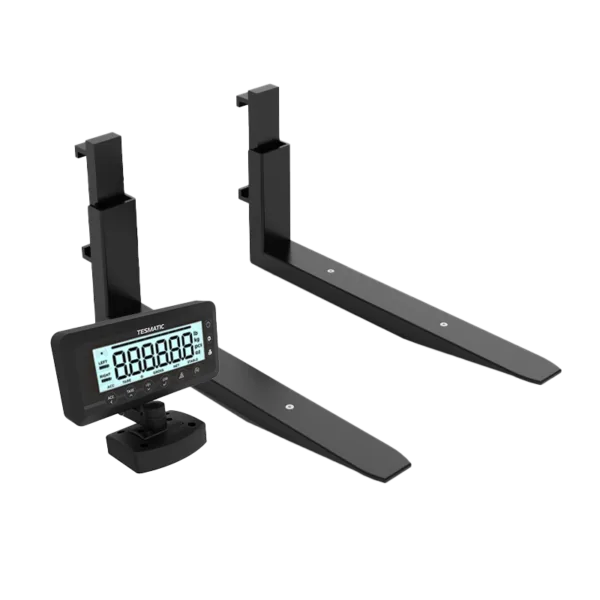
Use it toWeigh every pallet
ForkMatic
Precision forks with tilt compensation and overload protection. No cables in the mast.
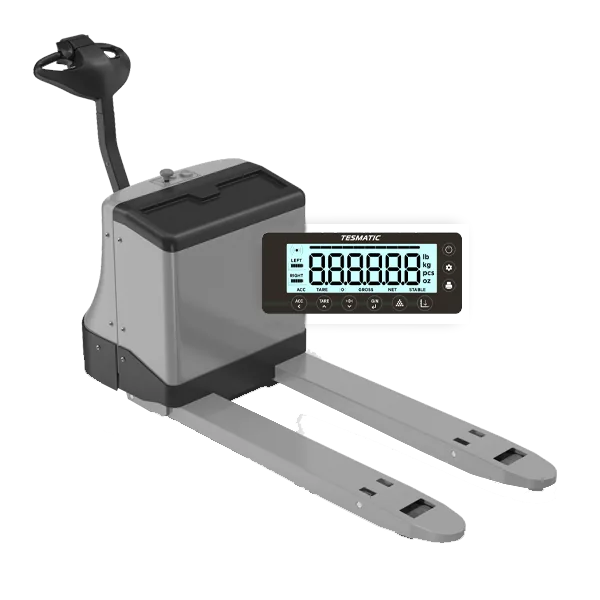
Use it toWeigh on a pallet truck
EPMatic
The same precision, built into electric pallet trucks. Weigh at the very first touch.
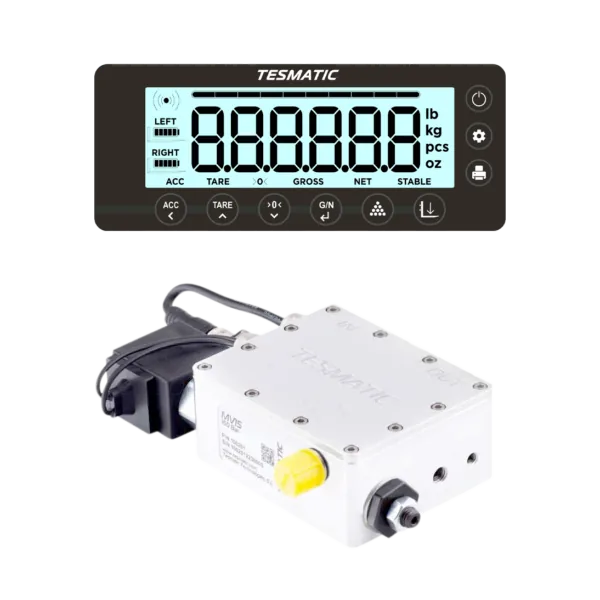
Use it toWeigh while you work
WeighMatic
Fast, accurate weighing on forklifts and telehandlers. Results in seconds, while you work.
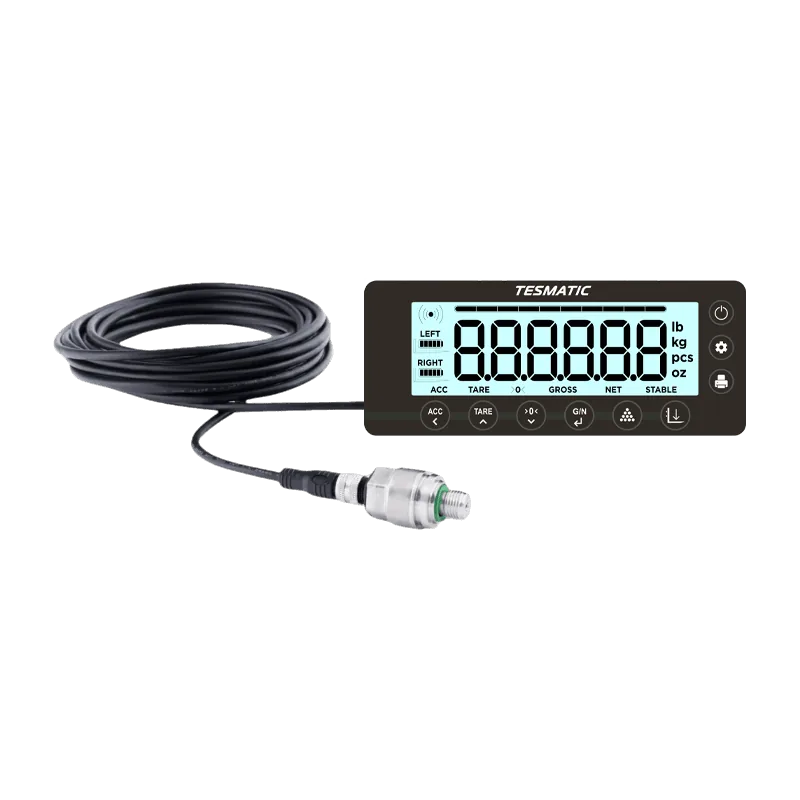
Use it toGuard every lift
LoadMatic
Weighs while lifting and guards every lift with an overload bar, an alarm and a relay.
Mobile weighing for any lifting vehicle
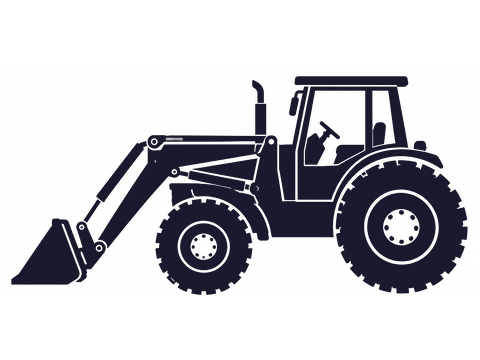
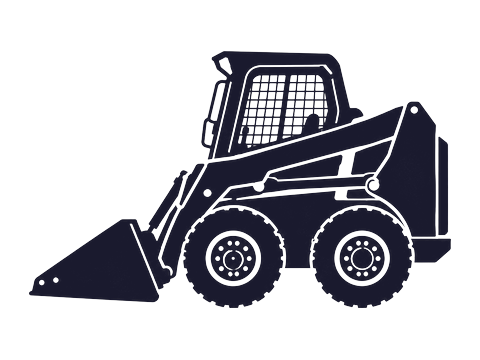
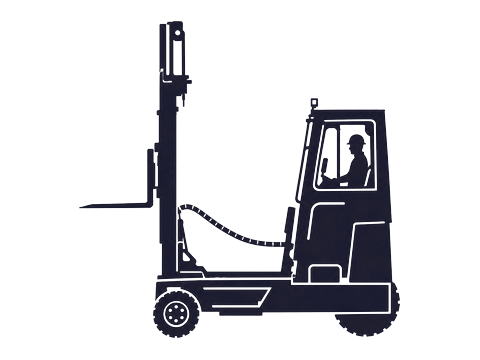
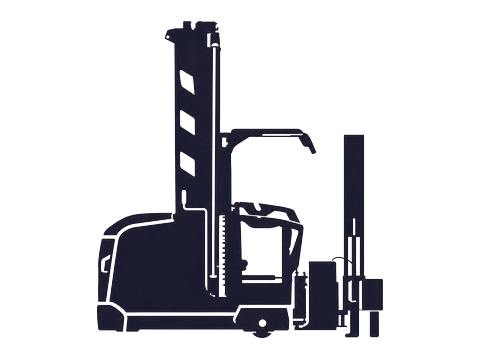
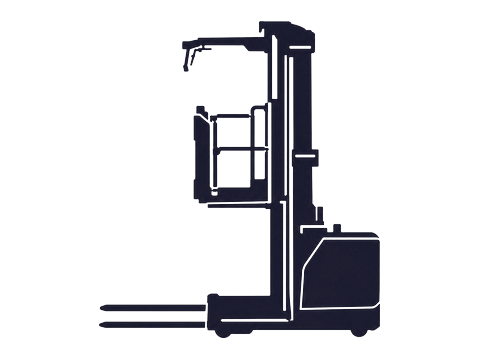
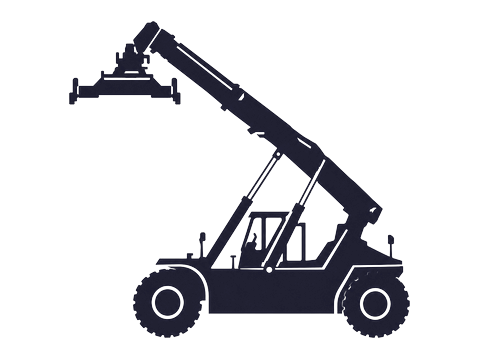
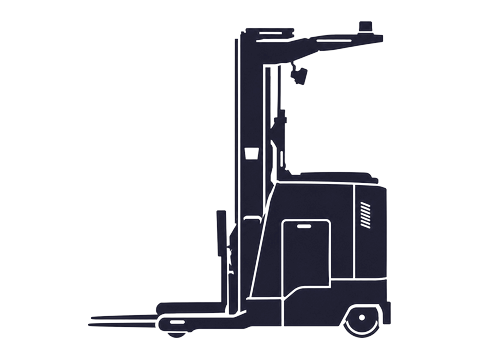
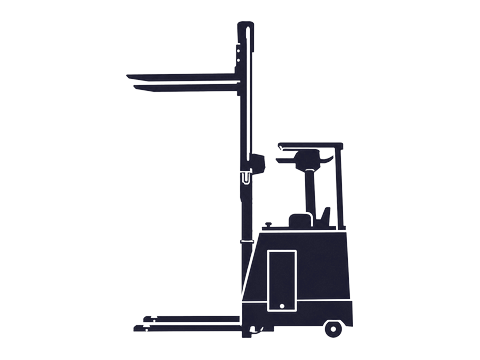
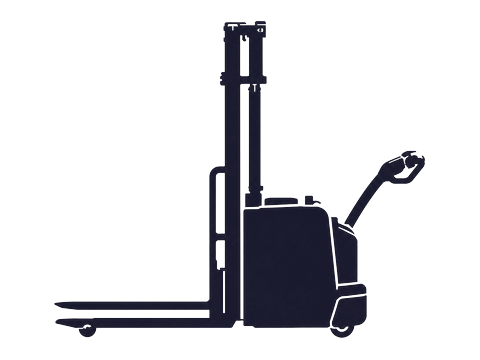
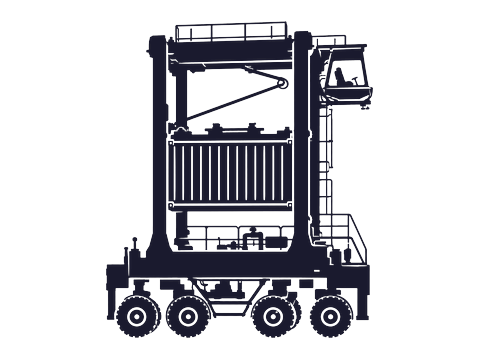
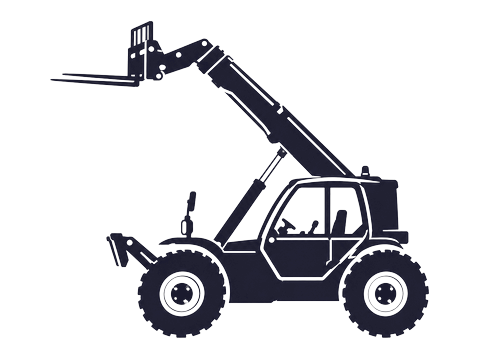
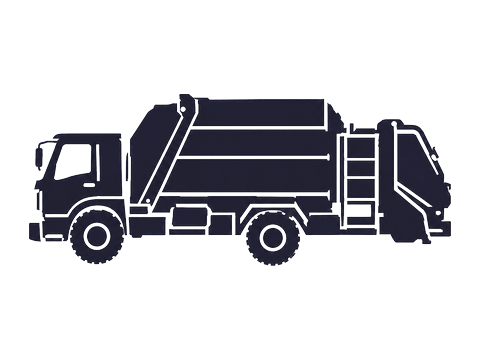
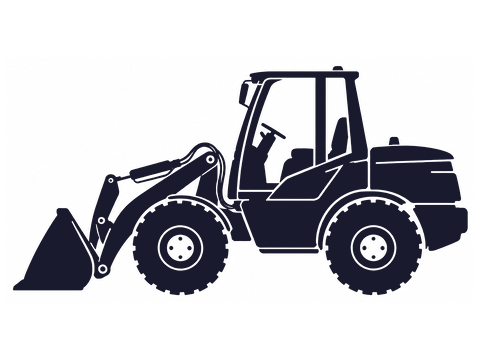
Forklifts, pallet trucks, telehandlers, compact loaders, order pickers and straddle carriers. Every system retrofits to a fleet that is already working.
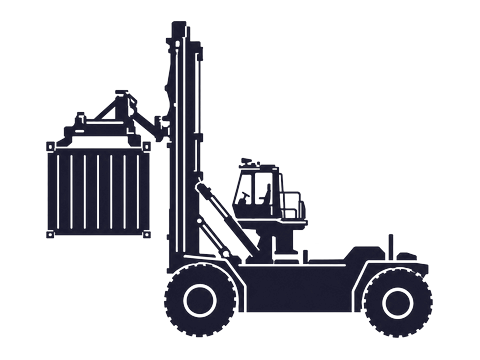
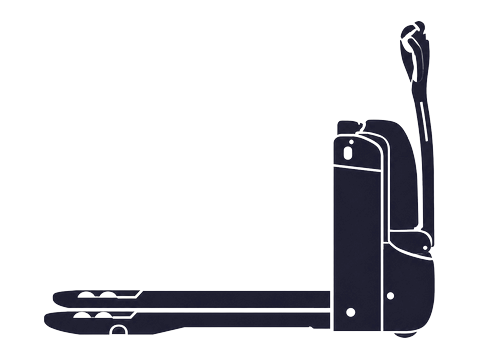
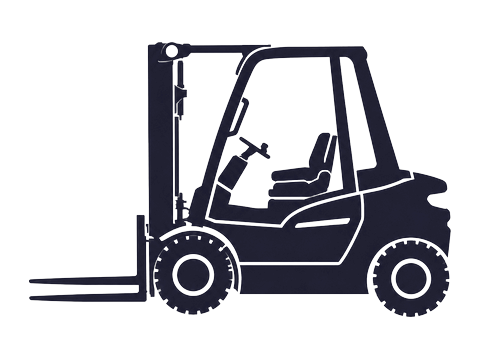
Where mobile weighing is used
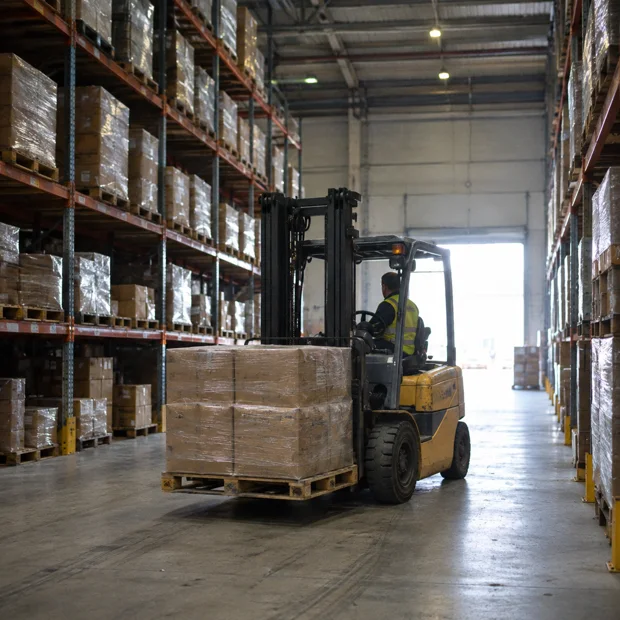 Logistics and warehousing
Weigh goods in and goods out, and check each load before the lorry leaves the yard.
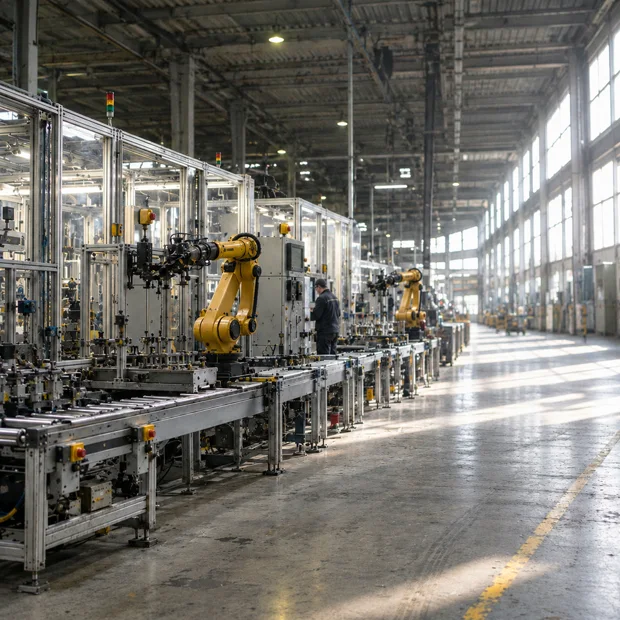 Manufacturing
Check batch weight on the line, not at a fixed scale.
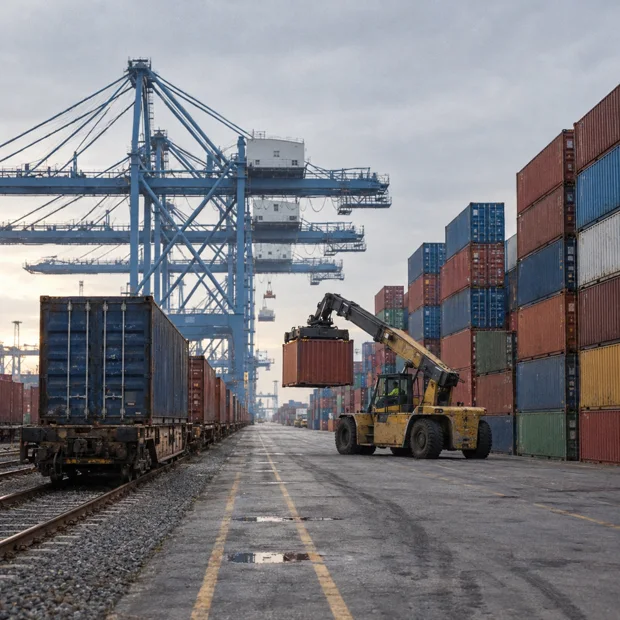 Ports and intermodal
Confirm heavy loads before they reach the trailer.
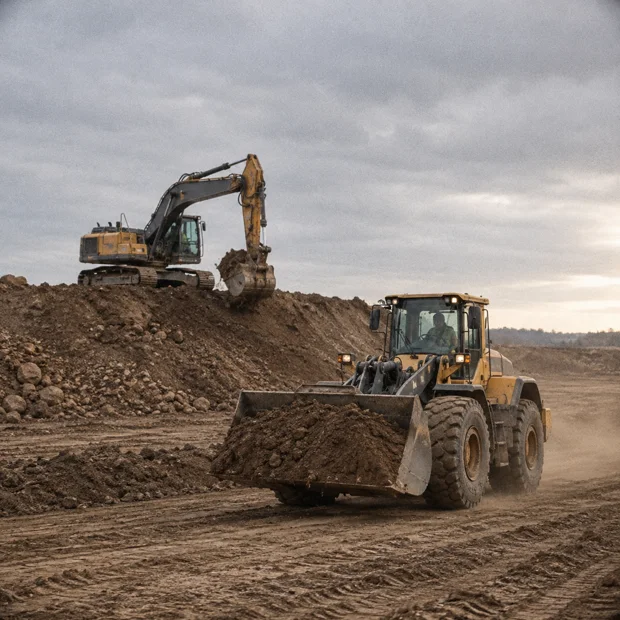 Construction and earthmoving
Weigh heavy loads up to 90 tonnes and record them on site.
 Waste and recycling
Weigh each collection at pickup and record it there.
Tell us what you move
Common questions
What is mobile weighing?
Mobile weighing means the scale rides on the truck. The truck weighs the load during the lift, so the load does not go to a floor scale.
How accurate is mobile weighing?
Weighing forks measure ±0.1% of the applied load, so ±2 kg on a 2,000 kg pallet. Hydraulic systems hold ±0.2% or ±1% of the truck’s capacity, depending on the model. We put the figures in writing before you buy.
Which machines does it fit?
Forklifts, pallet trucks, telehandlers, compact loaders, order pickers and straddle carriers. If your machine is not on the list, tell us what you run and we’ll check.
Does it fit a mixed fleet with old trucks?
Yes. Tesmatic is brand-independent by design. One system line fits a mixed fleet, with no brand lock-in and no separate stock for each make. Every system retrofits to a fleet that is already working.
How does the weight reach our ERP or WMS?
Wi-Fi and Bluetooth are built in. The truck sends its data directly, with no gateway and no additional hardware. The data reaches your ERP or WMS through WebSockets, MQTT or CSV.
Help choosing
Not sure which system fits your machine?
Tell us the machine, how much it lifts and what for. We’ll tell you which system fits and what it costs.