
Forklift scales.
A forklift weighing system weighs the load during the lift, so the pallet never goes to a floor scale. It retrofits to any brand and any age of truck.
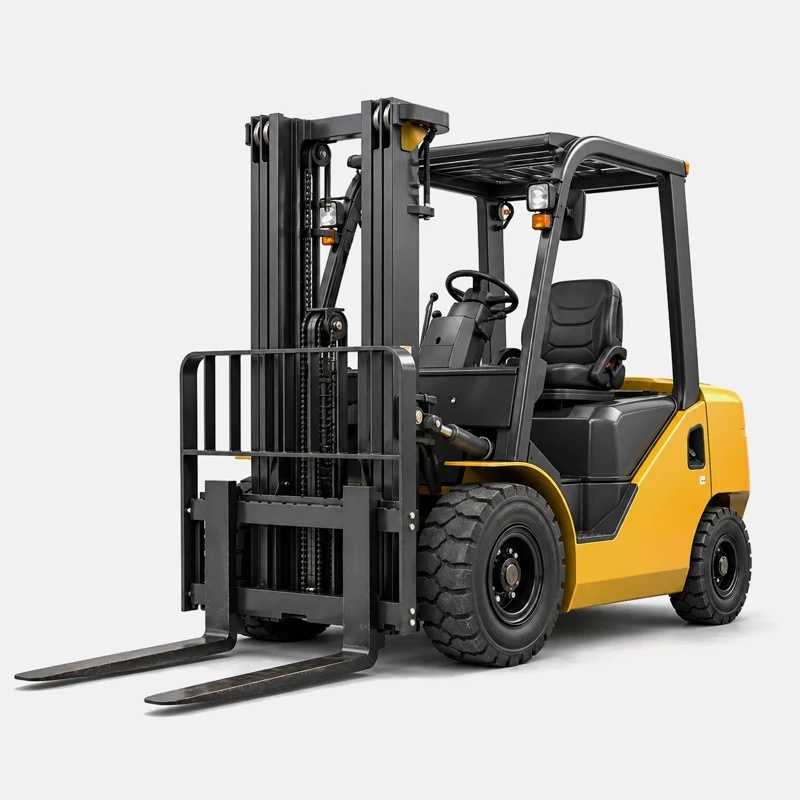
Forklift scales, explained
A forklift scale is a weighing system built into the truck. Here is how the two types work, how accurate they are and how they fit your fleet.
Weighing forks or hydraulic weighing
There are two ways to weigh on a forklift truck. Weighing forks, like ForkMatic, put the scale in the forks, right under the load. They are the most accurate option, and they suit pallets, inventory and batching. Hydraulic weighing systems, like WeighMatic and LoadMatic, read the pressure in the lifting line. They leave the forks and the mast as they are, and they suit goods in and out, truck loading and overload protection.
How accurate is a forklift scale?
The accuracy depends on the method. Weighing forks read a percentage of the load: ±0.1%, so ±2 kg on a 2,000 kg pallet. Hydraulic systems read a percentage of the truck’s capacity, and the figure holds for every weighing. On a 3,000 kg forklift, that is ±6 kg with WeighMatic and ±30 kg with LoadMatic.
Retrofit to the forklift you already run
Every system retrofits to a working truck, and a new truck uses the same hardware. One system line fits a mixed fleet, with no separate stock for each make, and one part number covers every electric truck, from 12 to 80 V DC. Standard systems leave the factory within 48 hours. Forklift engineers fit them on site, truck by truck.
From the forklift to your ERP
Wi-Fi and Bluetooth are built in, so the truck sends its data directly, with no gateway. The Web App shows the weighings and the overload events, live, and you can export them. The data reaches your ERP or WMS through WebSockets, MQTT or CSV.

The benefits of forklift weighing scales
The forklift already lifts every pallet. With a scale on the truck, that lift is also the weighing.
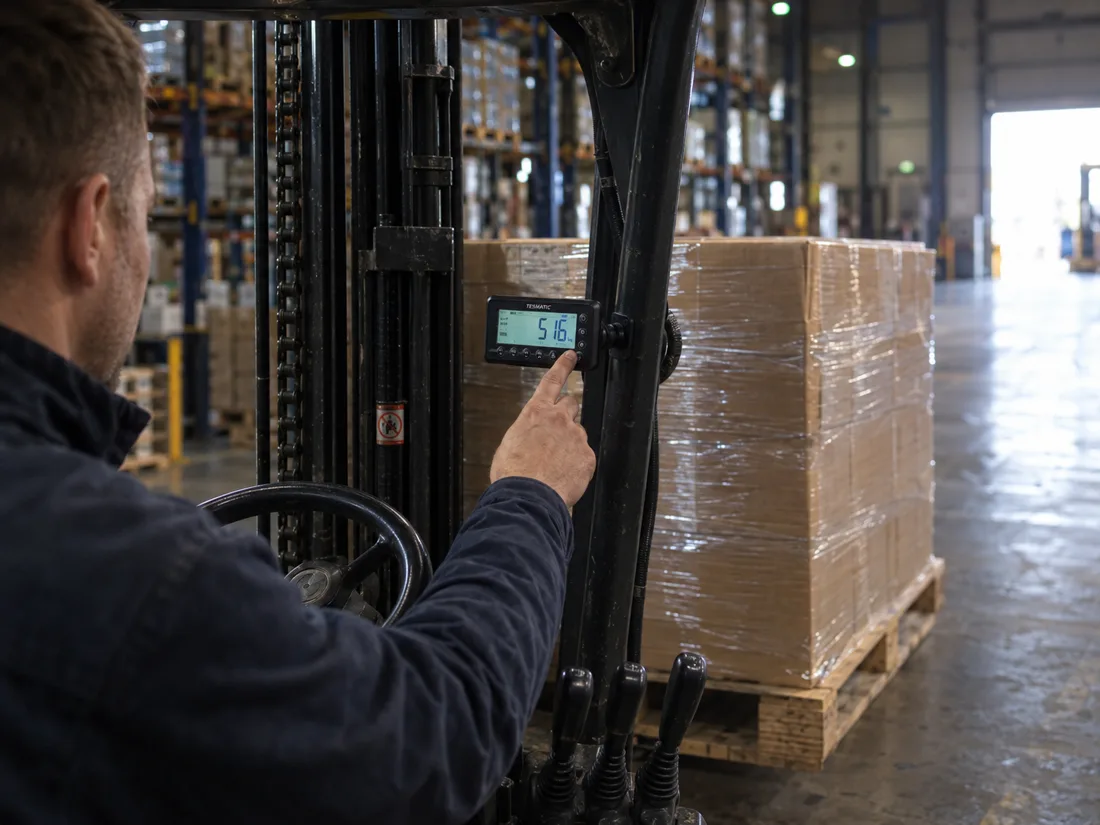
One handling, not two
The truck weighs the pallet during the lift, in about 10 seconds. There is no detour to the floor scale, and the pallet is not set down, weighed and lifted again.
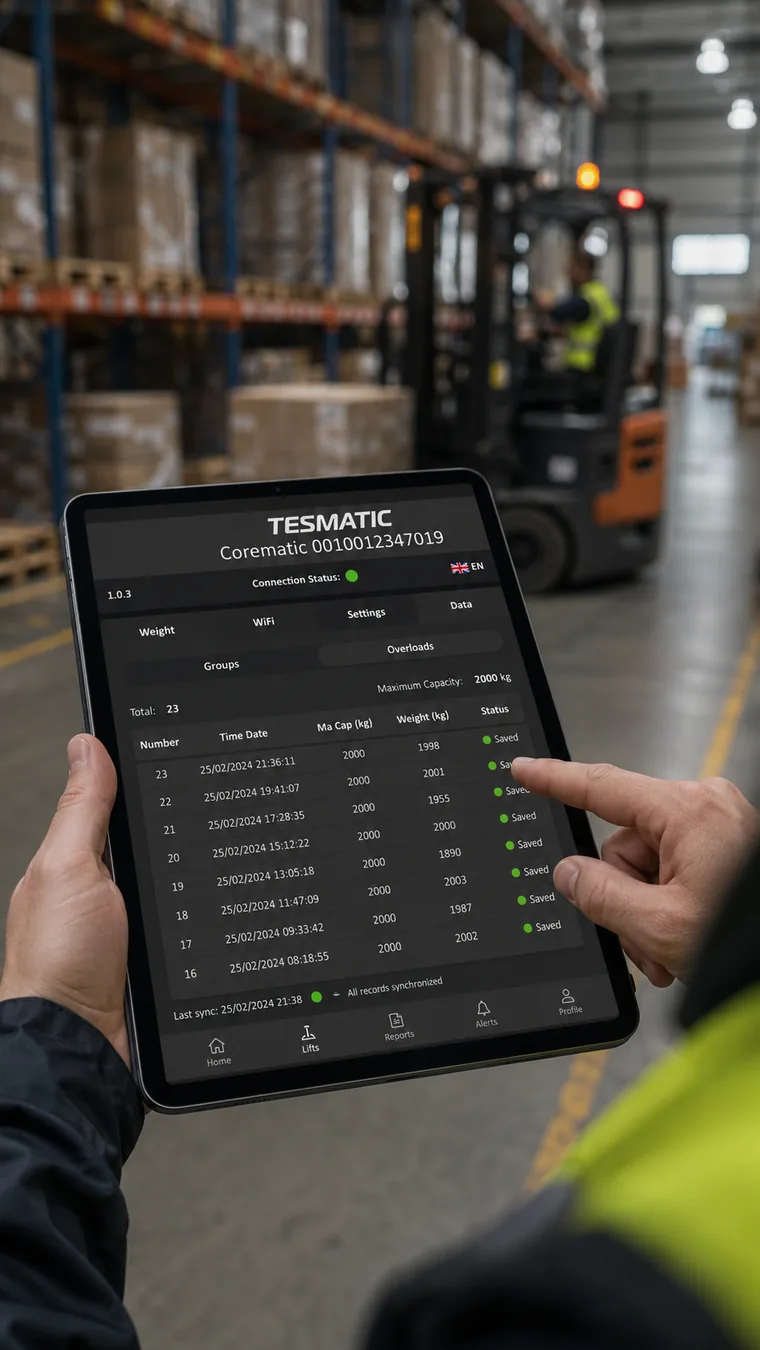
No manual data entry
The weight goes from the truck to the Web App and to your ERP or WMS, through WebSockets, MQTT or CSV. Nobody enters the data manually.
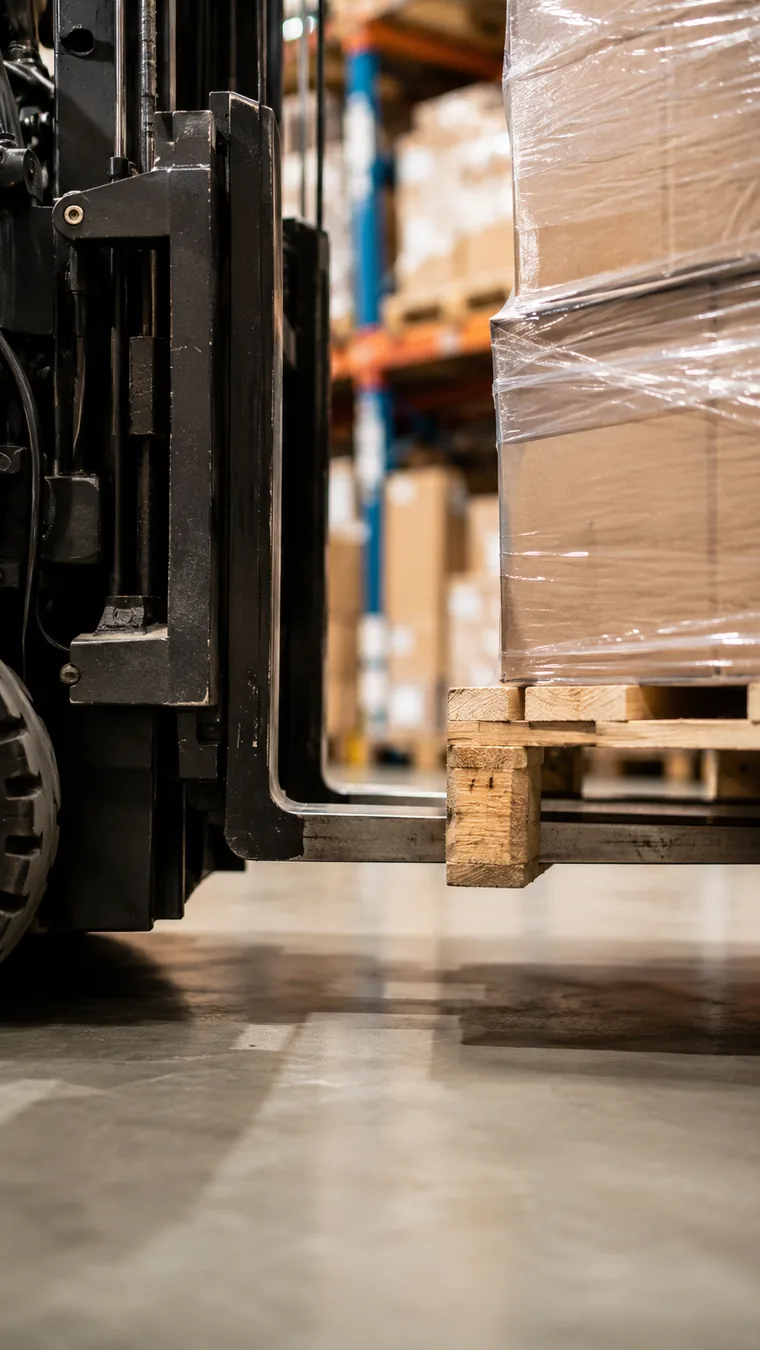
Safer lifting
An overload bar shows how loaded the truck is. An alarm and a relay act when the limit is exceeded, so the warning comes at the moment of the lift, not in a report afterwards.
Less traffic
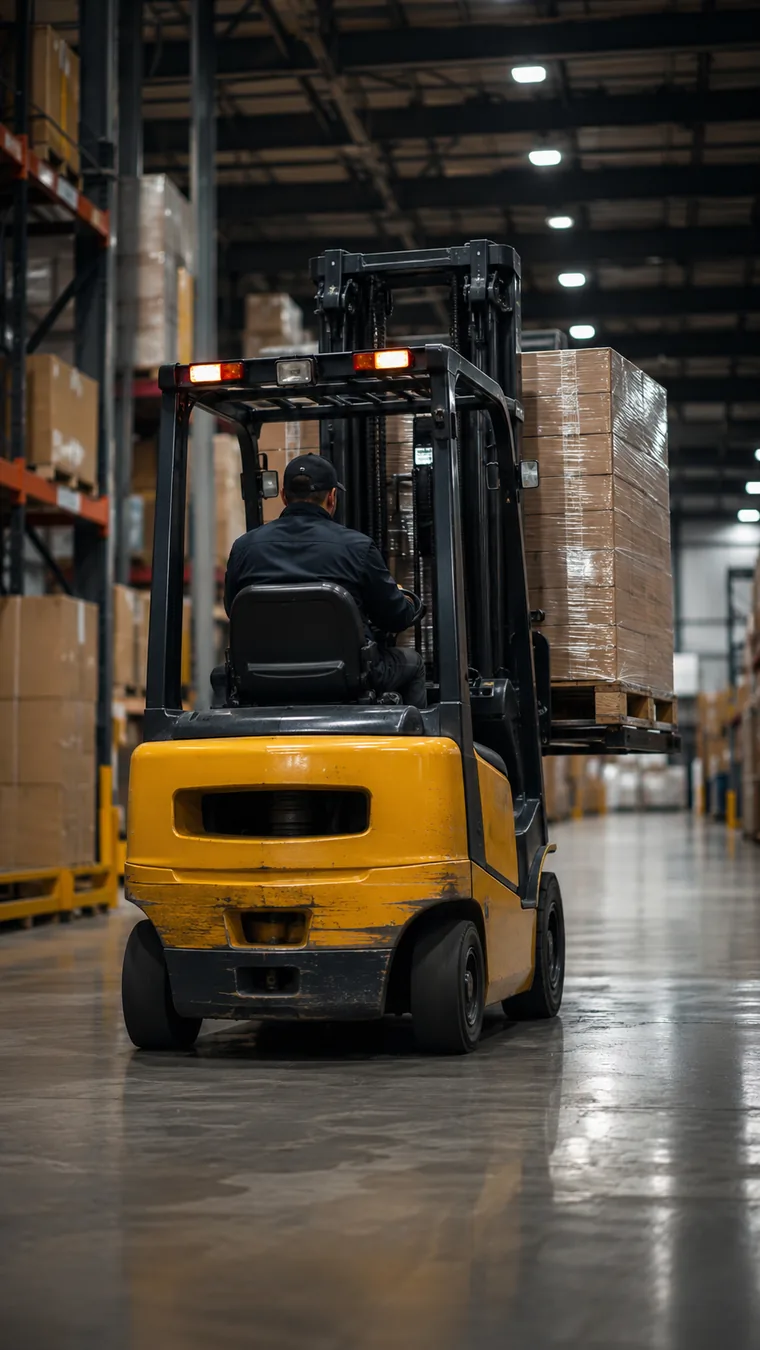
Fewer trips across the floor to the scale mean less forklift traffic, lower energy use and fewer collisions.
Which weighing system fits your forklift?
It depends on why you weigh. Each system is built for one job and comes with its own accuracy, in writing.
Use it toWeigh every pallet
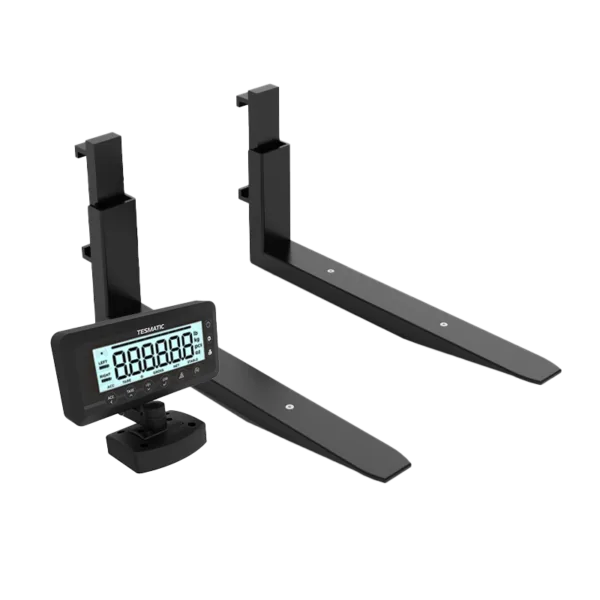
ForkMatic
Weighing forks for inventory, batching and full traceability. No cables in the mast.
Use it toWeigh goods in and out
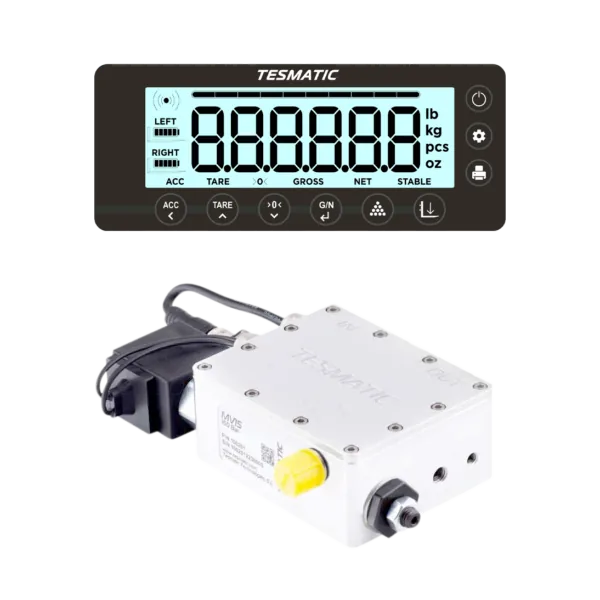
WeighMatic
Hydraulic weighing for goods in and out and truck loading. The truck stays as it is.
Use it toStop overloads
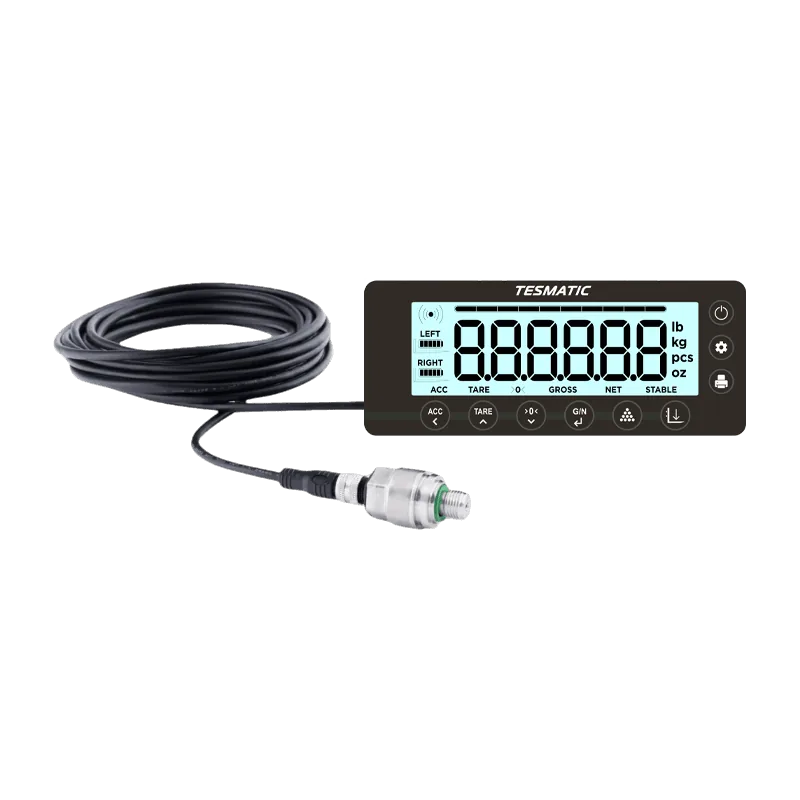
LoadMatic
Load indication and overload protection, with an overload bar, an alarm and a relay.
How much time does your floor scale cost?
Every pallet that goes to a floor scale makes a detour. On the forklift, the weighing takes about 10 seconds, during the lift. Enter your own times and see what you get back.
With your floor scale60 s
- Drive to the scale
- Wait
- Set down, weigh and lift again
On the forklift10 s
- Weigh during the lift
Time recovered on your floor
Enter the figures of your operation. They start at the figures of the Tesmatic operation model.
Your volume
Your floor scale today, per pallet
Operator days recovered every month
50 seconds back on every pallet. That is 30.6 hours of operator time a month, counted in days of eight hours.
On the forklift, the weighing takes 10 seconds, during the lift. That figure comes from the Tesmatic operation model.
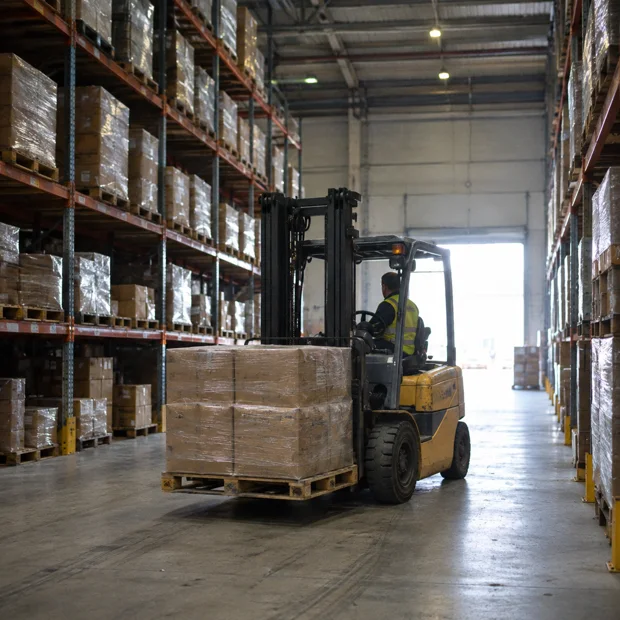
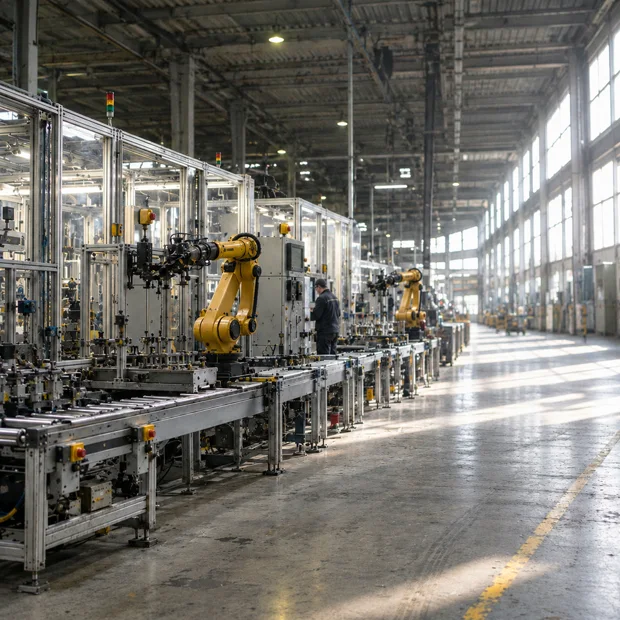

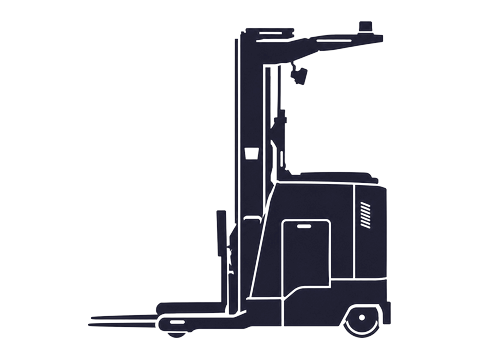
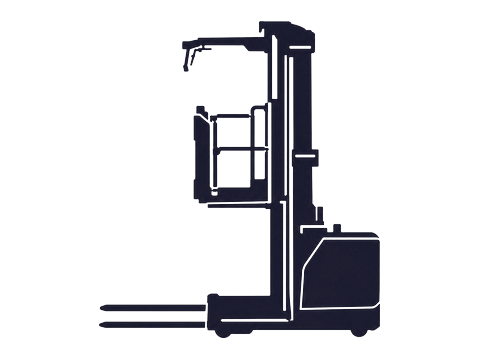
Other machines in the warehouse
Common questions
Does the truck have to change?
With ForkMatic, the weighing forks take the place of the standard forks, and there are no cables in the mast. WeighMatic and LoadMatic go into the lifting line, and the truck keeps its own pump.
Does it fit a mixed fleet with old trucks?
Yes. Tesmatic is brand-independent by design. One system line fits a mixed fleet, with no brand lock-in and no separate stock for each make. Every system retrofits to a fleet that is already working.
Will the installation stop our operation?
No. Forklift engineers fit the systems on site, truck by truck, around your shifts. The floor keeps running while the fleet is converted.
Do we pay extra for connectivity and updates?
No. Wi-Fi and Bluetooth, the Web App, the overload bar, the alarm and the relay, and online firmware updates come with every system.
What happens after the warranty?
Every system has a 2-year warranty on material and manufacturing. Spare parts stay available for 5 years from the invoice date. Calibration and repair come from the factory that built the system.
Help choosing
Not sure which system fits your machine?
Tell us the machine, how much it lifts and what for. We’ll tell you which system fits and what it costs.